Raw, Real, and Totally Rehearsed: How 'Authentic' Became the Most Carefully Crafted Performance Online
The Most Popular Act in Entertainment Right Now Is Pretending There's No Act
Scroll through your social media feed for about thirty seconds and you'll run into it. A celebrity crying in their car. An influencer posting a bloated, no-filter selfie with a caption about self-acceptance. A podcaster going "off-script" to share something deeply personal. A creator filming themselves mid-panic attack because, they explain, they want to be honest with their community.
It feels raw. It feels brave. It feels like something you don't usually get from famous people.
And increasingly, it's a performance — one of the most carefully designed, strategically deployed performances in the history of entertainment.
Authenticity Is the New Glam
For most of Hollywood's existence, the aspiration was polish. Stars were untouchable — curated, lit perfectly, managed by publicists who would sooner combust than let a client post something unscripted. The mystique was the product.
That model started cracking somewhere around the mid-2010s, when a generation of YouTube creators built massive audiences specifically by doing the opposite. They filmed themselves in their bedrooms. They talked about mental health before it was a mainstream topic. They admitted to things — insecurities, failures, relationship problems — that no traditional celebrity would dare acknowledge publicly.
Audiences responded like they'd been starving for it. And they had been, in a way. Decades of hyper-produced celebrity content had created a genuine hunger for something that felt human.
The entertainment industry noticed. And then it got to work figuring out how to manufacture that feeling at scale.
The Architecture of a 'Real' Moment
Here's where it gets interesting — and a little uncomfortable.
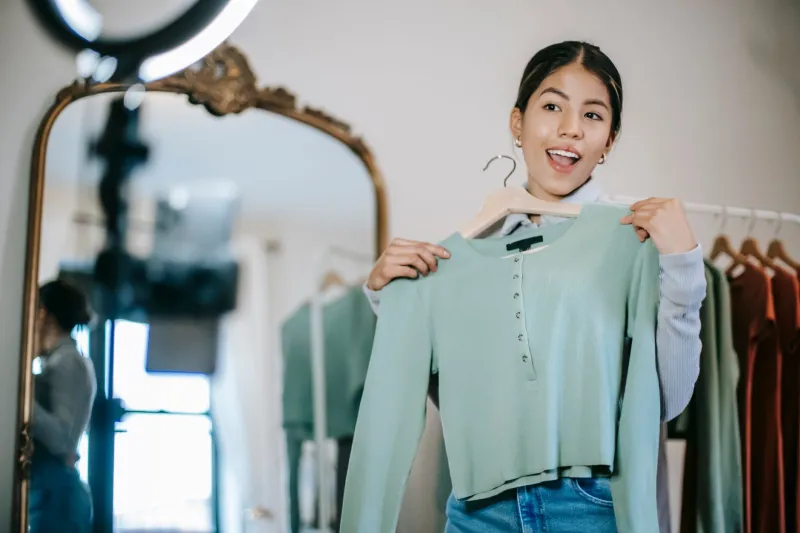
The creators and celebrities who are best at performing authenticity are not simply being themselves. They're making deliberate choices about what to reveal, when to reveal it, how to frame it, and what kind of response it will generate. The tearful car video gets filmed, reviewed, and posted at peak engagement hours. The "no makeup" photo is lit carefully and often edited in ways that stop well short of the full filter treatment. The "I almost quit" confession is timed to a new project launch.
None of this makes those people liars, necessarily. The emotions can be real even when the presentation is calculated. But the idea that what you're watching is simply someone being themselves — unguarded, unplanned, unaware of the camera — is almost always fiction.
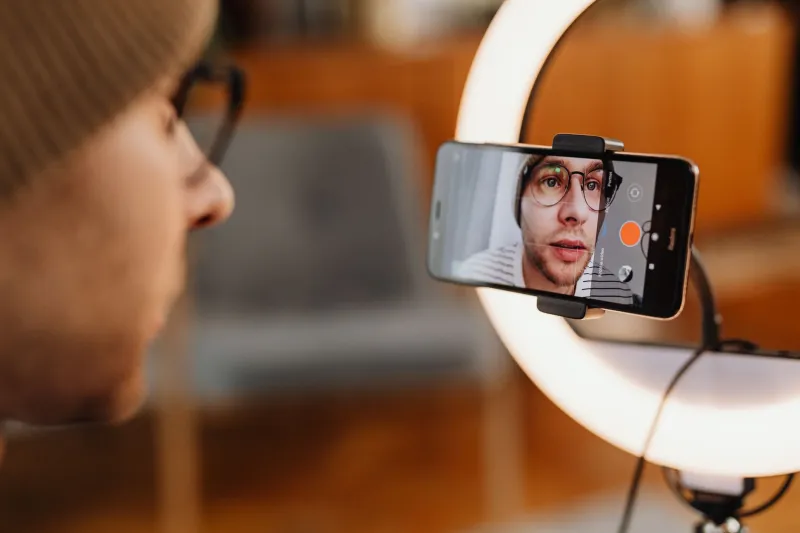
"There's a whole production behind the 'production-free' aesthetic," one digital media strategist pointed out in a recent industry conversation about creator trends. "The lighting, the platform choice, the caption, the timing — it's all intentional. The only thing that's changed is what the final product is supposed to look like."
Why Our Brains Fall for It Every Single Time
The psychological pull of perceived authenticity is genuinely powerful, and it operates on a pretty deep level.
Humans are wired to respond to vulnerability. When someone appears to drop their guard around us, our brains interpret that as a signal of trust — and we instinctively reciprocate. It's the same mechanism that makes you feel closer to a new friend after a late-night honest conversation than after a dozen casual hangouts.
Online, that mechanism gets hijacked. A creator shares something vulnerable with three million people simultaneously, and each of those three million people experiences a small neurological hit of intimacy. They feel seen. They feel like they know this person. The parasocial bond deepens, engagement spikes, and the algorithm rewards the post.
This is why authenticity has become entertainment's most valuable currency. It's not just emotionally resonant — it's algorithmically optimized. Platforms reward content that generates strong emotional responses, and nothing generates stronger emotional responses than the feeling that someone is being genuinely real with you.
The Spectrum Is Wider Than You Think
It's worth acknowledging that this isn't entirely cynical. There's a real spectrum here.
On one end, you have creators and celebrities who are genuinely trying to connect, who share real struggles and real moments even knowing those moments will be public and will benefit their brand. The authenticity is real even if the platform is strategic.
On the other end, you have people who have essentially built a character — a "real" version of themselves that is as constructed as any fictional role — and are deploying that character for clicks, sponsorships, and cultural relevance.
Most people fall somewhere in between, which is what makes this so hard to parse as an audience. You can't always tell which kind of real you're watching.
What It's Doing to Culture
The dominance of performed authenticity is reshaping what audiences expect from public figures across the board. Traditional celebrities who maintain old-school mystique increasingly feel out of touch. Politicians who stick to polished talking points feel robotic next to leaders who post messy, unscripted content. Even brands are now expected to have "real" voices — to acknowledge mistakes, take public stances, and communicate like humans rather than corporations.
The bar for what counts as authentic keeps shifting, too. As audiences become more media-literate, they're getting better at spotting the performance — which means creators have to work harder and go further to maintain the illusion. The confessions get more personal. The vulnerability gets more extreme. The cycle accelerates.
So What Do We Do With This?
Maybe the most honest thing to say is that it doesn't really matter whether your favorite creator's realness is 100% genuine or 40% strategic. What matters is whether the connection you feel watching them is meaningful to you, and whether the content they make adds something to your life.
But it's worth holding onto the awareness that the most relatable person in your feed has almost certainly thought carefully about how to seem relatable. That's not a reason to distrust them. It's just a reason to remember that entertainment — even the kind dressed up as everyday life — is still entertainment.
And in 2025, the most entertaining thing a person can do is convince you they're not trying to entertain you at all.