Unfiltered and Unbothered: The Creators Ditching the Glam for Something That Actually Pays
Somewhere between the fifteenth "get ready with me" video and the third sponsored teeth-whitening kit of the day, a chunk of Gen Z collectively decided: enough. Not in a dramatic, cancel-culture kind of way. More like a quiet exhale. A slow unfollowing. A pivot toward something that feels — weirdly, refreshingly — real.
And the creators who picked up on that shift early? They're doing just fine, thank you.
The Aesthetic Fatigue Is Real
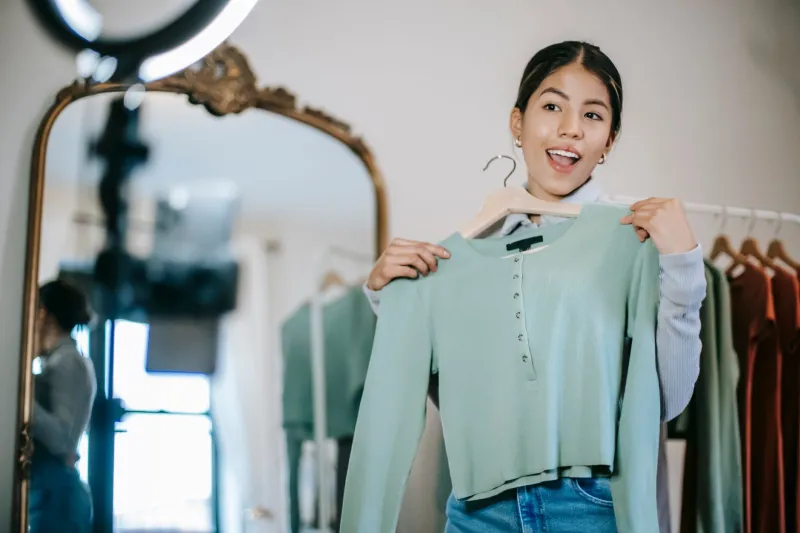
For years, the influencer template looked pretty similar no matter who was running it. Good lighting. A curated feed. Brand deals delivered with the enthusiasm of someone who genuinely cannot believe how soft this moisturizer makes their skin. The formula worked — until it didn't.
Audiences, especially younger ones, started developing what you might call a finely tuned BS detector. The aspirational lifestyle content that once felt exciting started reading as a little hollow. A little exhausting. And a lot fake.
Enter the so-called "boring brand" — a term creators themselves started using, half-ironically, to describe content that strips away the production value and leans hard into the mundane. We're talking grainy phone footage, unedited opinions, real apartments with normal furniture, and conversations that don't have a sponsored segment baked in.
It sounds like a step backward. In practice, it's turning into a business model.
Who's Actually Doing This?
Take the corner of the internet sometimes called "cozy content" — creators who film themselves doing homework, cooking basic meals, or just existing quietly. No dramatic transitions, no trending audio. Just... life. These accounts, many run by people in their late teens and early twenties, are pulling engagement numbers that leave some of the more polished creators scratching their heads.
Or look at the rise of what people are calling "confessional creators" — folks who post long, slightly rambling videos about their anxiety, their financial stress, or the fact that they completely bombed at something they tried. No resolution. No "here's what I learned" bow tied neatly at the end. Just honesty sitting in the room with you.
Comments on these videos read differently than the usual stuff. Less "omg queen" energy, more "I literally thought I was the only one who felt this way." That kind of connection is hard to manufacture — and audiences can tell when someone's trying.
The Business Case for Being Boring
Here's the part that surprises people: stripping back the production doesn't necessarily mean stripping back the income. In some cases, it's the opposite.
When creators build audiences around genuine trust rather than aspirational fantasy, conversion rates on the things they do recommend tend to be higher. It's the difference between buying something because a gorgeous stranger told you to and buying something because your actual friend said it changed their life. One of those recommendations lands differently.
Smaller, more engaged audiences also attract a different tier of brand partnership — ones that value authenticity over raw reach. Some creators in this space have reported that working with fewer, better-aligned sponsors at a higher rate per deal is more sustainable than the churn of traditional influencer marketing, where you're constantly chasing follower counts to justify your rates.
There's also the mental health math, which isn't nothing. The burnout rate among traditional influencers is staggering. When your entire livelihood depends on being visually perfect and perpetually entertaining, that's a grind that wears people down fast. The "boring brand" model, by design, has a lower baseline of performance pressure.
What This Says About All of Us
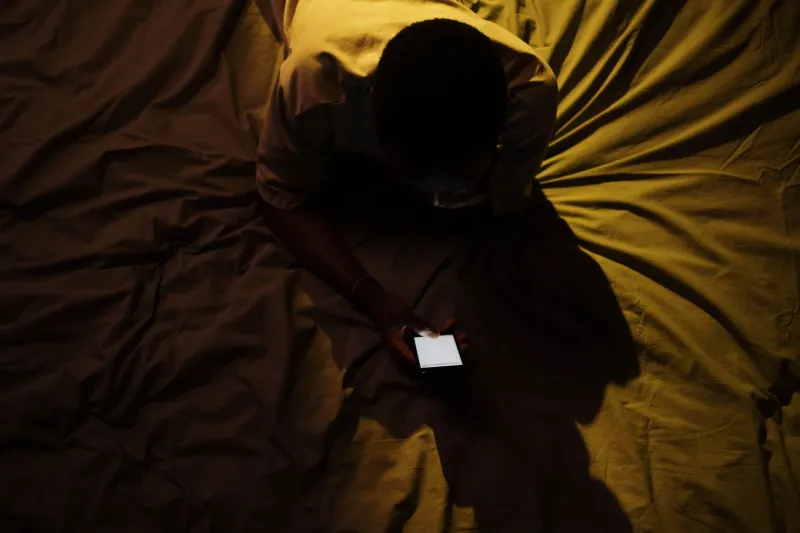
It's worth pausing on what this shift actually reveals about the audience side of the equation — which is most of us, scrolling through our phones at midnight.
We spent a long time telling ourselves we wanted the fantasy. The perfectly organized closet. The glowing skin. The life that looked like a magazine spread. And maybe we did want it, for a while. But somewhere along the way, consuming that content stopped feeling like inspiration and started feeling like evidence that we were falling short.
The creators who are winning right now seem to understand something pretty fundamental: people don't just want to admire someone. They want to feel less alone. And you can't manufacture that feeling with good lighting and a ring light.
Is This Just Another Trend?
Skeptics — and there are plenty — will point out that "authentic" content has a way of becoming its own kind of performance. The carefully "uncareful" post. The vulnerability that's been workshopped. The messy apartment that's been strategically messed up.
It's a fair critique. And honestly, some of what passes for raw content online is exactly that — a more sophisticated layer of performance dressed up in a hoodie and bad lighting.
But the creators who are genuinely connecting with audiences seem to be the ones who aren't thinking about it that hard. The ones who post because they have something to say, not because the algorithm told them Tuesday is optimal for engagement. That distinction, subtle as it sounds, comes through.
The influencer playbook isn't dead. But it's got serious competition from people who decided to throw it out entirely — and found out that's exactly what a lot of people were waiting for.