Root for the Bad Guy: How Villains Took Over Pop Culture and Never Looked Back
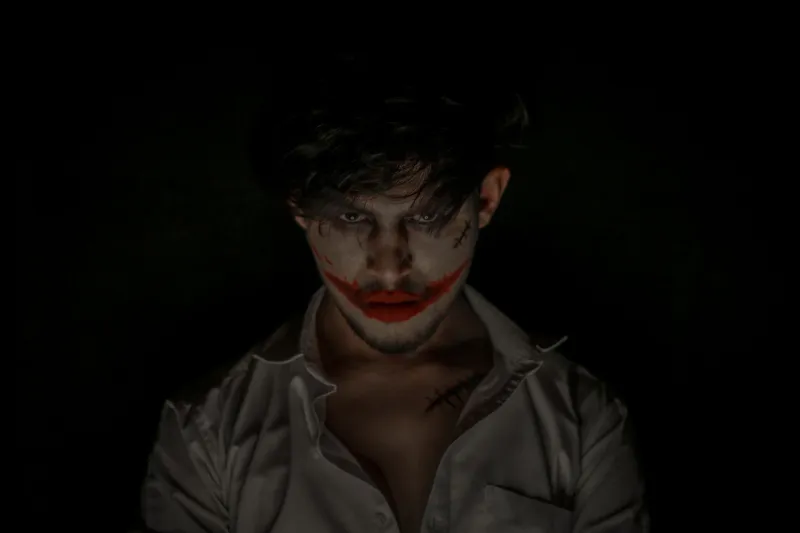
Think about the last show you binged that had everyone in your group chat absolutely losing their minds. Now think about which character they were losing their minds over. Odds are it wasn't the hero.
It was the calculating antagonist with the devastating one-liners. The morally gray antihero making terrible decisions for completely understandable reasons. The villain whose backstory hit harder than anything the protagonist got. Pop culture has been quietly staging a coup, and the bad guys won.
The Hero Has a Problem
Traditional heroes are in trouble. Not because audiences have stopped caring about good people doing the right thing — but because the "right thing" has gotten a lot harder to define, and straightforwardly virtuous characters can feel flat against the complexity of the world we're actually living in.
The classic hero's journey — ordinary person, extraordinary circumstances, triumph through courage and goodness — still works. But it works best when there's genuine tension, genuine cost, genuine moral weight. When heroes are written as infallible or their goodness is never really tested, audiences check out. They're not rooting against good — they're bored by easy.
Villains, by contrast, are almost never easy.
Why the Villain Gets the Best Writing
Here's a dirty little secret from the writers' room: antagonists are often more fun to write. They get to be contradictory, surprising, and liberated from the narrative obligation to make the right call. A villain can be brilliant and petty in the same scene. They can be genuinely loving in one relationship and genuinely monstrous in another. They don't have to be consistent in the way heroes do.
That creative freedom has produced some of the most memorable characters in recent television and film history. Walter White in Breaking Bad remains the defining example — a man whose transformation from sympathetic to terrifying was so gradual that audiences found themselves cheering for him long past the point where they probably should have stopped. Cersei Lannister in Game of Thrones had a devoted fanbase that understood her completely even while acknowledging she was objectively doing horrible things. Homelander in The Boys is practically a case study in how to make someone reprehensible and magnetic simultaneously.
Streaming platforms have accelerated this trend significantly. When you have ten episodes to develop a character instead of two hours, you have room to build the kind of layered antagonist backstory that makes audiences genuinely conflicted. The villain's childhood trauma, their distorted but internally logical worldview, the one relationship that almost saved them — these details don't excuse anything, but they complicate everything.
Social Media Changed the Game
The shift in how we talk about characters online has had a real feedback effect on how those characters get written. When a villain becomes the subject of fan edits, Twitter threads dissecting their psychology, and TikTok videos defending their choices, writers and studios notice. They write toward that energy.
The "villain apologist" has become a recognizable pop culture archetype — the viewer who argues passionately that the antagonist was actually right, or at least understandable, or at minimum more interesting than anyone else on screen. Fan communities have built entire ecosystems around morally complex characters, creating detailed analyses, alternate interpretations, and elaborate headcanons that expand on villain motivations far beyond what the source material provides.
This isn't new — people have been fascinated by literary villains forever, from Milton's Satan to Shakespeare's Iago to Hannibal Lecter. What's new is the speed and scale at which that fascination gets amplified, and the direct line it now creates between audience enthusiasm and creative decisions.
The Sympathy Trap
There's a version of this trend that's worth examining critically. Not every villain needs a redemption arc, and not every antagonist's backstory is meant to justify their actions. But the pressure to make villains sympathetic — to give audiences someone to root for even among the bad guys — can tip into something uncomfortable.
When every villain has a trauma explanation and a soft moment with a dog, the actual harm they cause can start to feel like a footnote. Some of the most important conversations happening in entertainment criticism right now are about the line between humanizing antagonists (valuable, illuminating, great storytelling) and excusing them (a different project entirely, and a murkier one).
The best villain writing holds both things at once. It asks you to understand without asking you to forgive. It makes the character comprehensible without making the damage they cause feel small. That's genuinely hard to pull off, which is why the shows and films that do it well become cultural events.
What We're Actually Responding To
There's a psychological undercurrent to all of this worth naming. Villains often get to act on impulses that social life requires us to suppress — the desire for recognition, for power, for revenge against a system that felt rigged. Watching someone burn it all down, even fictionally, even destructively, can be cathartic in a way that watching someone do the right thing simply isn't.
In an era of enormous institutional distrust, characters who operate outside the rules — who see the systems for what they are and refuse to play along — tap into something real. That's not an endorsement of chaos. It's an acknowledgment that stories work when they reflect genuine emotional truth back at us.
The villain's rise in pop culture isn't an accident and it's not a moral failure of the audience. It's a mirror. And right now, the reflection is complicated.