Sorry, Not Sorry: How the Celebrity Apology Became Its Own Entertainment Genre
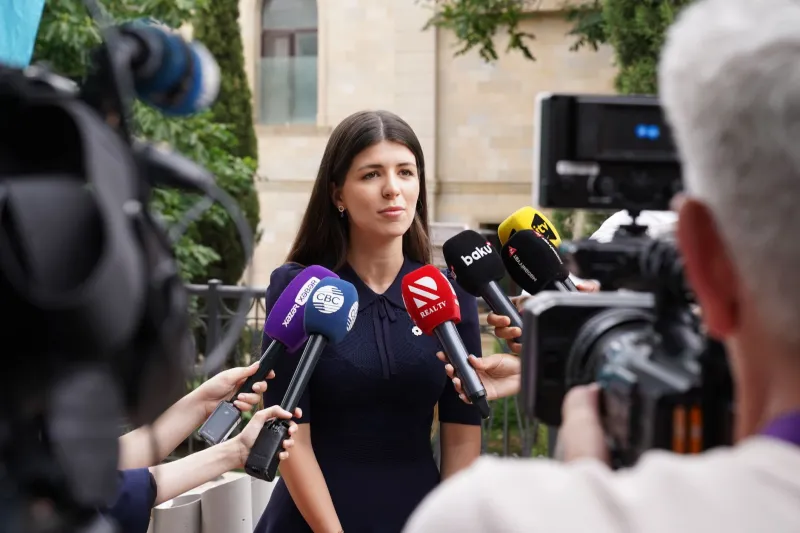
Somewhere between the tearful ring-light confessional and the carefully worded notes-app screenshot, the celebrity apology stopped being about accountability and started being about optics. You've seen it a hundred times. A famous face does something messy, the internet explodes, and within 48 to 72 hours — almost like clockwork — comes The Statement. Sometimes it's a video. Sometimes it's a lengthy caption. Sometimes it's a guest appearance on a podcast that conveniently dropped the same week as the controversy. Whatever the format, one thing is almost always true: someone got paid to help write it.
Welcome to the performative apology era, where saying sorry is less a moment of genuine reckoning and more a carefully staged production with its own genre conventions, audience expectations, and measurable ROI.
The Machine Behind the Message
Let's be real about what's actually happening when a celebrity goes into "apology mode." There's a whole industry built around it. Crisis communications firms, social media strategists, publicists, and even therapist-adjacent coaches who help clients appear emotionally credible on camera — they all have a seat at the table long before any apology goes public.
Timing is everything. Post too fast and you look reactive, like you're just trying to outrun the headlines. Wait too long and the silence gets interpreted as arrogance. The sweet spot, according to the general playbook, is usually somewhere between 24 and 96 hours. Enough time to let the story breathe and for audiences to hit peak outrage, but not so long that the narrative completely hardens against you.
The format matters too. A handwritten-style font on a plain background signals sincerity. A sit-down video with soft lighting and no makeup signals vulnerability. A joint statement with a co-star or collaborator signals unity. Each choice is a calculated signal designed to trigger a specific emotional response in the audience. None of it is accidental.
The Apology Checklist Nobody Admits Exists
If you watch enough of these things, patterns emerge. The modern celebrity apology almost always hits the same beats: an acknowledgment that "they said or did a thing" (usually described in the vaguest possible terms), a pivot to how much they've "grown and learned," a shoutout to the people they "hurt" (rarely named specifically), and a closing statement about "doing better going forward" that somehow manages to say nothing at all.
What you almost never hear is a direct, specific admission of what went wrong and why. That's not an accident — it's a legal and reputational calculation. Specific admissions open the door to lawsuits, deeper scrutiny, and follow-up questions nobody wants to answer. Vague contrition, on the other hand, is basically Teflon. It sounds like accountability without actually requiring any.
The audience has started to notice. Social media users now dissect these apologies in real time, flagging passive voice constructions like "mistakes were made" or "if anyone was hurt" as red flags. There are entire Reddit threads and YouTube breakdowns dedicated to grading celebrity apologies on their authenticity. The meta-commentary has become almost as entertaining as the apology itself.
When the Apology Is the Comeback Tour
Here's where it gets really interesting: for a lot of celebrities, the apology isn't the end of the story. It's the beginning of the next chapter. A well-executed sorry can function as a full-on brand reset — a way to generate sympathy, re-engage a fanbase that had started to drift, and create a narrative of redemption that's arguably more compelling than whatever they were doing before the controversy.
Think about how many times you've seen a celebrity go from canceled to booked and busy within a single calendar year. The apology tour — which might include a candid interview, a documentary, a memoir, or a very pointed song — is practically a genre unto itself at this point. It generates press, it generates streams, it generates conversation. In the attention economy, even bad attention converts.
This is the uncomfortable truth that nobody in the industry wants to say out loud: controversy, followed by a polished apology, followed by a comeback narrative, is a proven content cycle. It keeps audiences emotionally invested, gives entertainment media something to cover, and often results in the celebrity emerging with a more "human" and relatable image than they had before. The scandal becomes a character arc.
Do We Even Want Real Apologies Anymore?
Here's a question worth sitting with: if a celebrity came out tomorrow and gave a completely raw, specific, genuinely uncomfortable apology — one that named names, admitted real harm, and didn't wrap up neatly with a bow — would we even know what to do with it?
We've been so conditioned by the scripted version that authenticity might actually read as performance. And that's a weird place to be culturally. The formula has become so familiar that deviating from it feels suspicious, while following it perfectly feels hollow. There's almost no way to win.
Some public figures have tried to sidestep the whole thing by staying quiet, letting time pass, and simply returning to work without ever formally addressing the controversy. That approach gets criticized too, but it's at least honest in its refusal to perform contrition it doesn't feel. Whether that's better or worse probably depends on what you think apologies are actually for.
The Audience's Role in All of This
It would be easy to point the finger entirely at celebrities and their PR machinery, but the audience is part of this loop too. We click on the apology videos. We share the screenshots. We debate the sincerity in the comments for days. We reward the ones that hit the emotional notes we're looking for and drag the ones that don't. In doing so, we're essentially providing real-time feedback that shapes the next apology, and the one after that.
The performative apology exists because it works — or at least, it works often enough that the industry keeps producing them. As long as a well-crafted sorry can move the needle on streaming numbers, concert ticket sales, or brand deal renewals, there's no real financial incentive to replace it with something messier and more genuine.
Maybe the most honest thing we can say about the celebrity apology in 2025 is this: it's a product. It's designed, packaged, and distributed just like any other piece of content. Whether it contains anything real is almost beside the point. The show must go on — and apparently, so must the apology tour.