Logged Off for Good: The Young Creators Quitting the Internet Before 30
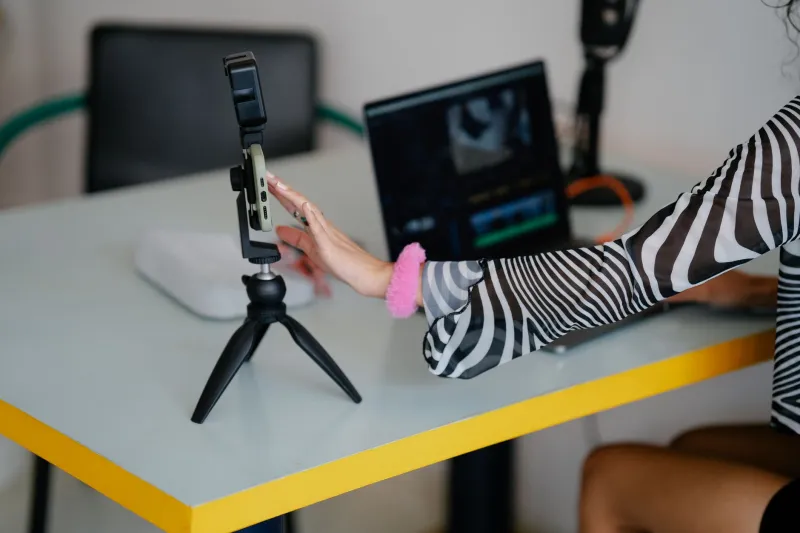
There's a version of the influencer story that plays out like a fairy tale. You post a video, it blows up, the brand deals roll in, and suddenly you're living your best life — on camera, at least. But behind the ring lights and carefully curated aesthetics, a different story is quietly becoming a lot more common: creators in their mid-to-late twenties hitting a wall so hard they're stepping away from the whole thing entirely.
Burnout isn't new. But in the creator economy, it's starting to look less like a rough patch and more like an occupational hazard — one that's ending careers before they even hit their prime.
The Job That Never Clocks Out
Ask anyone who's built a following online what the hardest part of the job is, and most won't say the editing or the filming. They'll say the not stopping. The algorithm doesn't care that you're sick, grieving, or just having a bad week. Post consistently or get buried. Engage with your audience or lose them. Stay relevant or become irrelevant — and in internet years, that can happen in a matter of weeks.
Jamie, a former lifestyle creator who spent four years building a following of nearly 200,000 on Instagram and YouTube before stepping back last year at 27, described the experience as "running on a treadmill that only goes faster." She asked that her last name not be used. "Every time I hit a goal — a subscriber milestone, a bigger brand deal — the finish line just moved. There was never a moment where I thought, okay, I made it. It was always more, more, more."
That relentlessness is baked into the structure of the platforms themselves. YouTube rewards watch time and upload frequency. TikTok's For You Page is notoriously fickle, capable of tanking a creator's reach almost overnight if they slow down. Instagram's Reels push has left many creators feeling like they're constantly pivoting to keep up. The result is a content treadmill that doesn't have an off switch.
Algorithm Anxiety Is a Real Thing
Mental health professionals who work with young adults are starting to see a pattern. "What I'm hearing from clients who are content creators is a very specific kind of anxiety that's tied to external validation metrics," says one therapist based in Los Angeles who works with several creators. "It's not just stress — it's a constant state of monitoring. Did this perform well? Why did that video flop? What does it mean if my engagement drops? It creates a feedback loop that's genuinely hard to break."
That anxiety has a name in some corners of the internet: "posting dread." It's the creeping feeling of panic that comes not from a specific crisis, but from the ongoing pressure of knowing you have to produce, regardless of how you feel. Several creators have gone semi-viral in recent years talking openly about this — which is its own kind of irony. The content about not wanting to make content still has to perform.
For some, the mental toll compounds over time. Sleep disruption from late-night editing sessions, social withdrawal because real life doesn't translate well to content, and a blurring of personal identity with online persona are all things creators describe experiencing. "I genuinely couldn't tell you who I was outside of my channel," Jamie said. "I'd been performing a version of myself for so long that the real version felt like a stranger."
No Exit Ramp
Here's the part nobody really talks about when they're selling the creator dream: there's no standard off-ramp. Traditional careers have retirement plans, pensions, transition programs. The creator economy has none of that. You're essentially a one-person small business, except your product is yourself — and the market can disappear the second you stop feeding it.
Many creators also lack the kind of professional credentials or work history that would make pivoting to a conventional career straightforward. If you spent your early twenties building a brand instead of climbing a corporate ladder, your resume looks a little thin to a lot of hiring managers — even if you were running a six-figure operation. The skills are real, but they don't always translate neatly onto a LinkedIn profile.
Financial instability makes the situation worse. Brand deals can evaporate overnight. Ad revenue fluctuates wildly. Many creators are one bad quarter away from genuine financial stress, which makes the idea of slowing down — let alone stopping — feel terrifying even when they desperately need to.
The Ones Who Stay and the Ones Who Go
Not every creator burns out and quits. Some find ways to restructure — posting less, pivoting to different formats, building teams that take some of the load off. A smaller number manage to transition into adjacent careers: brand consulting, media, or launching actual product businesses that don't depend on their personal posting schedule.
But for every creator who successfully makes that shift, there are plenty of others who quietly disappear from their channels, leaving audiences wondering what happened. Sometimes there's a farewell video. Often there isn't. They just... stop.
Tyler, 25, who built a modest but loyal following around gaming content before stepping back earlier this year, said the decision felt like grief. "I'd put years into it. It wasn't just a job — it was my identity. Letting go of it felt like losing something even though I knew I needed to."
He's now working a regular 9-to-5 in tech support. He doesn't miss the algorithm. He does miss the community.
What Comes Next?
The creator economy isn't going anywhere — if anything, it's growing. But the conversation around what it actually costs people is finally starting to catch up. Platforms have made occasional gestures toward creator wellness (YouTube has a Creator Support line, for instance), but most creators will tell you those efforts feel pretty thin compared to the structural pressures the platforms themselves create.
What's actually shifting is the cultural narrative. The "dream job" framing is losing some of its shine, at least among people who've seen what it looks like up close. A growing number of younger people entering the creator space are doing so with more measured expectations — treating it as a side hustle rather than a career, capping their output, and building in boundaries from the start.
Whether that kind of intentionality can survive contact with the algorithm remains to be seen. But maybe the most honest thing the creator economy could do right now is acknowledge what it's asking of people — and start building some actual exit ramps before more young creators find themselves with nowhere to go but out.